

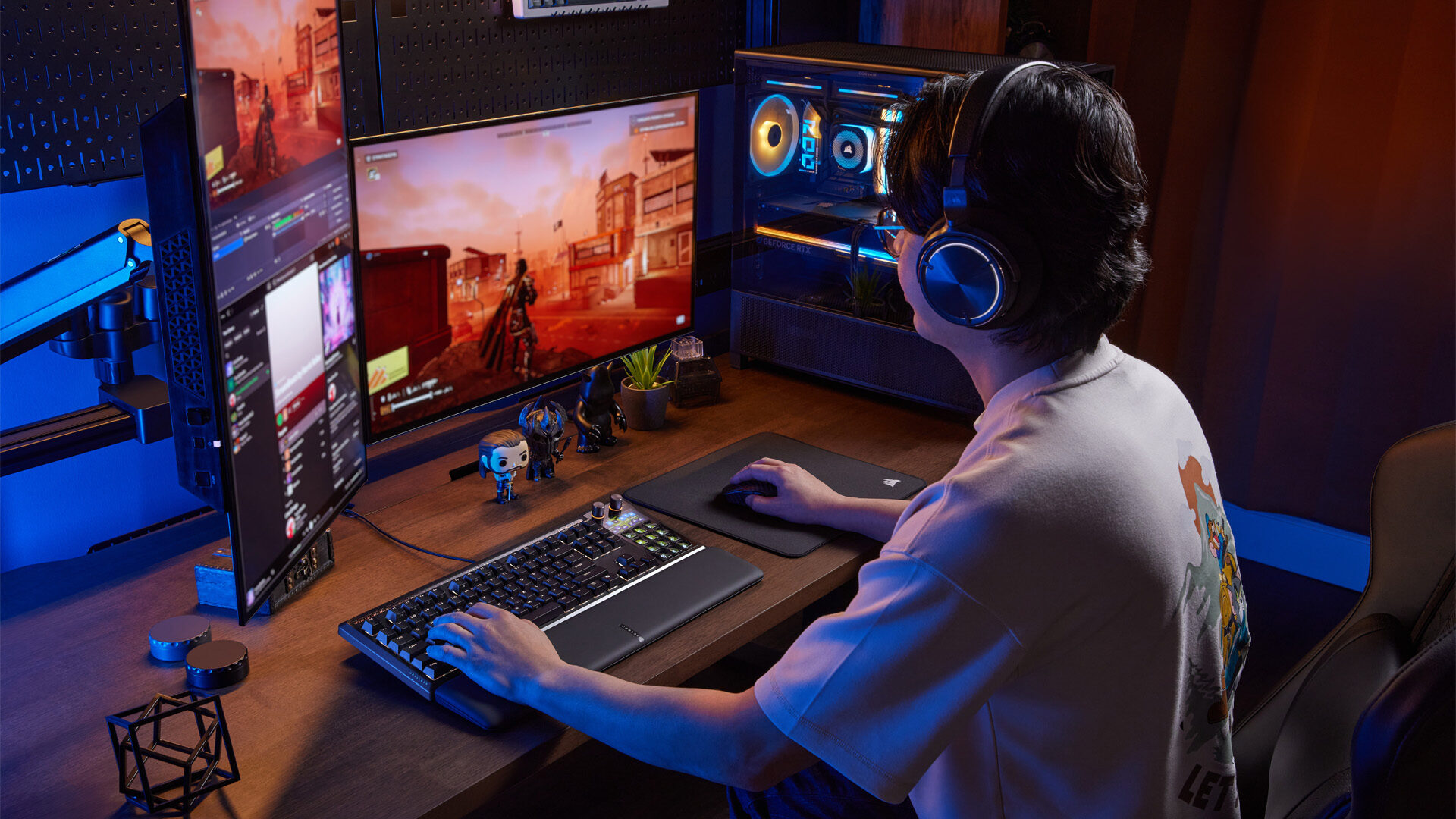
Online slot has become one of the most popular forms of digital entertainment worldwide. What once began with simple multiplayer games has evolved into a massive industry connecting millions of players through computers, consoles, and mobile devices. Today, people can compete with friends, communicate with strangers, participate in esports tournaments, and explore enormous virtual worlds without leaving their homes.
The growth of high-speed internet, affordable smartphones, cloud technology, and powerful gaming hardware has made online gaming more accessible than ever. From competitive shooters and sports simulations to role-playing games and strategy titles, there is something available for almost every type of player.
What Is Online Gaming?
Online gaming refers to playing video games over an internet connection. Unlike traditional offline games, online games allow players to interact with other people, access multiplayer features, participate in competitions, or receive regularly updated content.
Some games are designed entirely around online multiplayer experiences, while others combine single-player campaigns with online modes. Popular categories include massively multiplayer online games (MMOs), battle royale games, multiplayer shooters, strategy games, racing games, sports games, and online card games.
The basic concept is simple: players connect to a game server through the internet, allowing information about their actions, game state, scores, and interactions to be exchanged in real time.
The Growth of Online Gaming
The online gaming industry has changed dramatically over the past few decades. Early multiplayer experiences were often limited by slow internet connections and basic computer technology. Players might connect through local networks or relatively simple online services.
As broadband internet became widespread, developers could create much larger and more sophisticated multiplayer experiences. Consoles introduced integrated online services, while PCs benefited from digital distribution platforms and increasingly powerful hardware.
The introduction of smartphones created another major shift. Mobile gaming brought online games to a huge audience because players no longer needed an expensive gaming computer or console. Games could be downloaded directly onto smartphones and played almost anywhere.
Today, online gaming is not limited to a particular age group or device. Players can access games on PCs, PlayStation and Xbox consoles, Nintendo systems, tablets, and smartphones.
Major Types of Online Games
Online gaming includes many different genres, each offering a unique experience.
1. Multiplayer Shooters
First-person and third-person shooters are among the most recognizable online games. Players usually compete in teams or individually while completing objectives or eliminating opponents.
These games often emphasize quick reactions, communication, map awareness, and strategic decision-making.
2. Battle Royale Games
Battle royale games place multiple players on a large map where they compete until only one player or team remains. Players generally collect weapons, equipment, and resources while the playable area gradually becomes smaller.
The combination of survival, competition, and unpredictable encounters has made this genre particularly popular.
3. Massively Multiplayer Online Games
MMOs allow large numbers of players to exist within persistent virtual worlds. Players can create characters, complete missions, acquire equipment, join groups, and interact with other players.
These games can provide hundreds or thousands of hours of content because their worlds continue to evolve.
4. Online Sports Games
Sports simulations allow players to compete in virtual versions of football, basketball, cricket, racing, and other sports.
Online modes can turn traditional sports games into competitive experiences where players compete against opponents from different countries.
5. Strategy Games
Online strategy games require players to manage resources, build structures, develop armies, or make tactical decisions.
Success often depends less on reaction speed and more on planning, resource management, and understanding the opponent.
6. Online Card and Casino-Style Games
Digital card games and other chance-based games also have large online communities. These range from competitive collectible card games to games involving monetary stakes.
Players should be particularly careful with real-money gambling because financial losses can occur quickly.
Benefits of Online Gaming
Online gaming is primarily a form of entertainment, but it can also provide several social and cognitive experiences when used responsibly.
Social Interaction
Multiplayer games provide opportunities to communicate and cooperate with other people. Friends can use games as a way to stay connected even when they live in different cities or countries.
Team-based games often require players to communicate clearly, divide responsibilities, and coordinate their actions.
Problem-Solving
Many games present players with puzzles, strategic challenges, resource-management problems, or difficult opponents.
Players must analyze situations, consider possible outcomes, and adapt their strategies. These activities can encourage problem-solving and decision-making.
Competition
Competitive gaming can teach players about competition, persistence, and learning from mistakes. Losing a match can encourage players to analyze what went wrong and improve their approach.
However, healthy competition depends on maintaining reasonable expectations and avoiding excessive frustration.
Creativity
Some online games provide tools that allow players to construct buildings, design environments, create characters, or develop their own experiences.
These features can turn gaming into a creative activity rather than simply a competitive one.
Challenges of Online Gaming
Despite its benefits, online gaming also has potential disadvantages.
Excessive Gaming
Spending too much time gaming can interfere with sleep, education, work, exercise, and relationships.
The issue is not necessarily gaming itself but the loss of balance. Players should establish reasonable limits and make sure important responsibilities are not consistently being neglected.
Toxic Behavior
Online multiplayer communities can sometimes involve harassment, insults, cheating, or aggressive communication.
Most major gaming platforms provide reporting, blocking, and moderation tools. Players should use these tools when necessary and avoid participating in abusive behavior.
Privacy and Security
Online games often require accounts and may collect personal information. Players should use strong, unique passwords and enable two-factor authentication whenever available.
They should also be careful when clicking links sent through game chats, Discord servers, social media, or other communities.
In-Game Purchases
Many online games use cosmetic purchases, battle passes, downloadable content, or other monetization systems.
Players should understand what they are purchasing and establish spending limits. Parents should also consider using parental controls for younger players.
Online Gaming and Esports
The growth of online gaming has contributed directly to the development of esports. Competitive gaming has become an organized activity involving professional players, teams, coaches, tournaments, sponsors, and broadcasters.
Popular esports titles can attract large audiences through streaming platforms and live events. Professional players may specialize in particular games and spend many hours practicing strategies, mechanics, teamwork, and communication.
Esports has also created opportunities beyond professional playing. The broader industry includes commentators, analysts, tournament organizers, content creators, streamers, coaches, graphic designers, and marketing professionals.
The Role of Streaming
Game streaming has transformed how people consume gaming content.
Platforms such as YouTube and Twitch allow players to broadcast their gameplay to audiences around the world. Successful streamers can build communities around their personalities, skills, entertainment value, or knowledge of particular games.
Gaming content now includes live streams, tutorials, reviews, guides, highlights, competitions, and educational videos.
For many viewers, watching gaming content has become an entertainment experience separate from actually playing the game.
Mobile Online Gaming
Mobile devices have played a major role in expanding the online gaming audience.
Modern smartphones can run games with sophisticated graphics, online multiplayer features, voice communication, and frequent content updates. Because smartphones are widely available, mobile games can reach people who may never purchase a dedicated gaming PC or console.
Mobile gaming has also encouraged developers to design shorter gaming sessions, touch-based controls, and monetization systems specifically for mobile users.
Cloud Gaming
Cloud gaming represents another important development in the industry. Instead of running a game entirely on the user’s device, cloud gaming services can process the game on remote servers and stream the resulting video to the player.
This approach can potentially reduce the need for expensive hardware. However, a stable and sufficiently fast internet connection is important because gameplay depends heavily on network performance and latency.
As internet infrastructure improves, cloud gaming could become increasingly important.
The Future of Online Gaming
The future of online gaming is likely to involve increasingly connected and interactive experiences.
Artificial intelligence may help developers create more dynamic characters, personalized experiences, automated moderation systems, and adaptive game worlds. Improvements in virtual reality and augmented reality could also provide new ways for players to interact with digital environments.
Cross-platform gaming is another important trend. Players increasingly expect to play with friends regardless of whether they use a PC, console, or mobile device.
Game worlds are also becoming more persistent, with developers regularly introducing new maps, characters, events, and storylines rather than releasing a completely separate game every year.
How to Enjoy Online Gaming Responsibly
A healthy gaming routine involves balance.
Players can benefit from setting gaming schedules, taking regular breaks, maintaining a consistent sleep routine, exercising, and staying connected with friends and family outside gaming.
It is also important to protect accounts, avoid suspicious links, manage spending, and report inappropriate behavior.
Gaming should complement everyday life rather than replace essential responsibilities.
Conclusion
Online DEWA222 has developed from a relatively simple form of multiplayer entertainment into a global digital ecosystem. It provides competitive experiences, social interaction, creative opportunities, esports, streaming, and constantly evolving virtual worlds.
Technology will continue to change how games are developed and played. Faster internet connections, cloud computing, artificial intelligence, mobile devices, and immersive technologies are likely to create new possibilities for players.
Ultimately, the most sustainable approach to online gaming is balance. When played responsibly, online games can provide entertainment, competition, creativity, and meaningful social experiences while remaining one part of a healthy and active lifestyle.

