

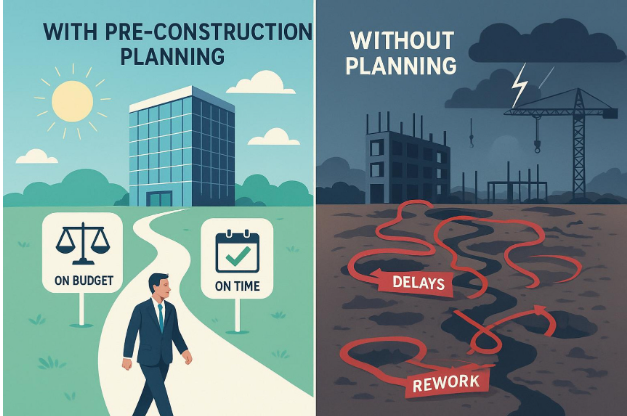
Commercial development involves big budgets, tight deadlines, and many moving parts. Success usually does not happen by luck. It starts with careful planning long before anyone digs the first hole. Pre-construction planning in commercial developments matters because it sets up the project for better cost control, smoother work, and stronger results.
This stage gives the team a clear plan, flags risks early, and creates a shared path forward for everyone involved. For developers working with experienced partners, such as leading construction companies in New York, knowing how pre-construction works is key to turning a big idea into a finished building.
Many commercial projects are decided before construction starts. This early work turns a rough concept into a practical plan, helping the job run smoother, hit the schedule, and manage spending. Skipping this step is like taking a long road trip with no map-you might still get there, but you will likely lose time, waste money, and deal with surprises along the way.
- What Is Pre-Construction Planning in Commercial Developments?
- Why Is Pre-Construction Planning Important for Commercial Projects?
- What Are the Key Activities in Pre-Construction Planning?
- Feasibility Analysis and Site Evaluation
- Project Scope Definition and Goal Setting
- Budgeting, Cost Estimation, and Financial Planning
- Risk Assessment and Management Strategies
- Design Development and Constructability Reviews
- Permitting, Compliance, and Environmental Considerations
- Resource Allocation and Procurement Planning
- How Does Pre-Construction Planning Benefit Commercial Developers?
- What Technologies Strengthen Pre-Construction Planning?
- Common Pitfalls in Pre-Construction Planning and How to Avoid Them
- Frequently Asked Questions about Pre-Construction Planning in Commercial Developments
- Key Takeaways: Investing in Pre-Construction Planning for Better Commercial Project Outcomes
What Is Pre-Construction Planning in Commercial Developments?
Pre-construction planning is the organized first stage of a construction project. It usually begins at the early concept stage and continues up to the notice-to-proceed. It includes detailed planning, cost control, and team coordination so the project goals can realistically be met within the budget and timeline.
During this stage, the team lays out key items like the budget, schedule, site logistics, and major work steps, creating a strong base for construction.
This stage is also where likely problems are spotted, clear goals are set, and everyone involved gets aligned. It requires close teamwork and forward thinking, since choices made here can shape the entire project from drawings to final completion.
What Sets Pre-Construction Planning Apart from Other Project Phases?
Construction work often requires quick fixes in response to real-time issues. Pre-construction is different because it focuses on preventing problems before they happen. While the construction phase builds the project, pre-construction defines how the building process will work-how money will be spent and how time will be used.
Choices made during pre-construction often affect the project more than choices made later. This phase is less about physical work and more about planning work: reviewing details, writing clear documents, checking costs, and thinking ahead. It is also where profit is often protected-or lost-before any soil is moved.
Key Participants in the Pre-Construction Phase
Good pre-construction planning depends on teamwork between different experts, each with a specific role. Common participants include:
- The Project Owner/Developer: Sets the business goals, space needs, and long-term plans for the building.
- The Project Manager: Leads the process, keeps people aligned, and tracks progress on tasks and decisions.
- The Design Team (Architects and Engineers): Develops and improves the design so it works well, looks right, and follows rules.
- The General Contractor/Construction Manager: Provides real-world input on buildability, cost estimating, and scheduling.
- Key Subcontractors: Gives trade-specific pricing and advice on how work can be installed.
- Regulatory Agencies and Legal Counsel: Helps confirm compliance with codes, zoning, and environmental rules.
- Commercial Safety Inspectors: Reviews safety risks and helps build strong safety plans.
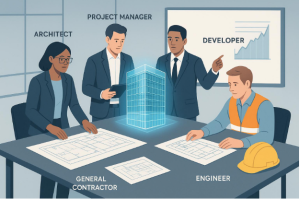
With the right group involved early, the project plan can support efficiency, safety, and financial success.
Why Is Pre-Construction Planning Important for Commercial Projects?
Time and money spent on pre-construction planning is not a “nice to have.” It is a key part of running a commercial job well. This stage helps reduce surprises, tighten the budget, and lock in a schedule that the team can actually follow.
Reduces Project Risks and Cost Overruns
A main reason to invest in strong pre-construction planning is to lower risk and prevent budget blowups. Many issues that later cause delays and big cost increases can be found early, such as tough site conditions, design conflicts, or environmental concerns. Once these risks are identified, teams can plan how to handle them.
This reduces “profit fade,” which often comes from early assumptions that were never fully tested-like labor productivity, material price changes, or delivery challenges. Weak contingency plans and overly positive estimates can turn a good project into a money problem. Solid planning and a real risk review help the team account for issues before they become expensive emergencies.
Improves Project Timelines and Scheduling
A well-planned pre-construction phase helps build a realistic schedule. It outlines key steps from buying materials to final closeout so the project can stay on track. Planning also helps confirm that labor, equipment, and materials show up when needed, reducing downtime and delays.
This includes time for permits, ordering long-lead items, and planning for commissioning and closeout. When these items are built into one clear schedule, the team can set practical milestones and avoid rushed timelines that often cause overtime, too many trades working in the same area, and rework-all of which cut profits and increase safety risks.
Increases Team Collaboration and Stakeholder Alignment
Pre-construction is a main space for getting everyone on the same page. It aligns the project vision, scope, and expectations through planning and clear communication. Input from the owner, project manager, designers, contractors, and subcontractors matters.
Early discussions help confirm priorities like layout, function, and future expansion needs. This builds trust and a shared understanding so the team moves in the same direction. When people are involved early and agree on the plan, there are fewer misunderstandings and fewer disputes later.
Facilitates Regulatory Approvals and Permitting
Working through building codes, zoning rules, and approvals can take a lot of time on commercial projects. Pre-construction is when this work should be handled. A site review can highlight rule limits and special permits tied to the location and scope.
Handling these requirements early helps avoid problems with inspectors and reduces delays. By securing permits and confirming compliance ahead of time, the team lowers the risk of stop-work orders or fines, protecting both budget and schedule.
Adds Value through Early Cost Savings and Efficiency
A strong pre-construction process gives clearer cost visibility and helps owners get more from their budget. With detailed estimating, clients can see where money is going. The team can compare materials, systems, and building methods to find the best mix of cost, quality, and performance.
Value engineering is a key part of this stage. The goal is to keep performance high while cutting unnecessary costs without harming quality or function. Even small savings per square foot can add up on large buildings. Early decisions also reduce expensive changes later and keep the financial plan stable.
Nova Construction Services applies rigorous pre-construction planning and value engineering to help clients maximise their budget without compromising on quality.
What Are the Key Activities in Pre-Construction Planning?
Pre-construction includes many connected tasks that build the project plan. Each activity supports smoother construction and more predictable results.
Feasibility Analysis and Site Evaluation
This step checks whether the project is practical. A feasibility study can include market needs, environmental issues, and legal limits that could affect the work. A site review looks for location-specific challenges like drainage, traffic access, land conditions, and possible underground issues such as rock. Finding these items early gives the team time to plan smart solutions.
Project Scope Definition and Goal Setting
Clear scope definition is a must. It means writing down the objectives, deliverables, and boundaries of the project. It includes items like design intent, building size, layout, material expectations, construction approach, phases, and the overall schedule. Clear goals help everyone understand what success looks like. Vague scope is a common cause of disputes and profit fade.
Budgeting, Cost Estimation, and Financial Planning
This is where the project’s cost plan comes together. Good estimating requires detailed review of materials, labor, equipment, and overhead. Using cost history from similar jobs and bringing in key trade partners early helps pricing stay realistic. Financial planning also includes contingencies for unknowns, including:
- Design contingency: for incomplete drawings or missing details
- Construction contingency: for job risks during execution
Tools like 5D BIM can connect cost data to the model so costs can be tracked and forecasted as the design changes.
Risk Assessment and Management Strategies
Risk assessment looks at what could go wrong across cost, schedule, safety, quality, and reputation. The team identifies risks, estimates how likely they are, and measures the impact. Many teams use a risk register that lists each risk, assigns an owner, and defines actions and trigger points. This helps the team prepare for issues like utility relocation delays or supply chain problems.
Design Development and Constructability Reviews
During design development, architects and engineers turn the concept into detailed drawings and specifications and confirm code compliance. Constructability reviews happen in this same window. Contractors and field leaders review the design to find clashes (like MEP conflicts), access problems, and sequencing issues. This helps turn drawings into a plan that crews can actually build, lowering the chance of costly rework later.
Permitting, Compliance, and Environmental Considerations
This work focuses on local rules and approvals. It includes checking building codes, zoning, and environmental standards and planning the timing for permits across project stages. It also includes sustainability planning, such as energy efficiency, water savings, waste reduction, and selecting materials with lower environmental impact. Planning for responsible waste handling can also support long-term value.
Resource Allocation and Procurement Planning
Resource planning covers people and equipment-making sure the right trades and machines are available at the right time. Procurement planning focuses on buying and securing materials, equipment, and labor. This can include comparing suppliers, using wholesale sources, and planning delivery timing to reduce losses from theft or weather. Workforce planning also matters, including labor availability and training needs.
How Does Pre-Construction Planning Benefit Commercial Developers?
For developers, strong pre-construction planning directly affects profit, schedule performance, and reputation. It can also help a developer stand out in a competitive market.
Boosts Project Success Rates
A complete pre-construction plan helps the team deliver on time, within budget, and at the expected quality level. By clearly setting scope, cost, and schedule early, developers create a stable base for the project. More predictability also builds confidence for investors and other stakeholders.
Enables Better Resource Utilization
With early planning, materials, labor, and equipment can be used more efficiently. This reduces wasted time and wasted money. It also helps avoid delays caused by missing resources or poor scheduling, keeping the job moving at a steady pace.
Minimizes Delays Related to Unforeseen Issues
Because pre-construction focuses on finding problems early, many issues are handled before they slow down construction. This reduces guesswork and lowers the chance of urgent, expensive fixes. With backup plans ready, developers can handle surprises without losing the project’s momentum.
Enhances Safety and Quality Outcomes
Safety planning starts before the jobsite opens. Pre-construction can include hazard reviews, safe access planning, material handling routes, and rule compliance. Constructability reviews and stronger design coordination also improve quality by solving build issues early, leading to a better finished building.
Improves Investor and Stakeholder Confidence
Clear goals, a strong cost plan, a realistic schedule, and documented risk plans help build trust. Pre-construction gives more cost transparency and clearer expectations. Early engagement also strengthens relationships and reduces disputes, improving the developer’s reputation and supporting future projects.
What Technologies Strengthen Pre-Construction Planning?
Technology has changed how teams plan before construction. Digital tools can improve speed, accuracy, and teamwork, and they help teams make better decisions earlier.
Role of BIM (Building Information Modeling)
BIM creates a detailed 3D model that includes more than shapes-it includes data. BIM helps teams find conflicts early, such as a duct running through a beam, before work begins.
BIM can also add:
- 4D BIM: ties the model to time so teams can see how construction will play out step by step
- 5D BIM: ties the model to cost so teams can track budget impacts as the design changes
This supports better forecasting, live cost tracking, and faster budget updates.
Project Management Software for Scheduling and Collaboration
Project management platforms support scheduling, task tracking, document control, and communication. They act as shared systems where teams can see responsibilities, timelines, and dependencies. With a central place for current information, the team reduces miscommunication that can stall expensive projects.
Virtual Design and Construction Tools for Visualization
VDC tools help people see the project before it is built. Stakeholders can review a virtual walk-through and better understand the design. These tools can also simulate construction sequences, helping teams plan logistics and reduce schedule conflicts. Better visualization can reduce the need for physical mockups and support cost savings through clearer communication.
Common Pitfalls in Pre-Construction Planning and How to Avoid Them
Even well-run teams can run into problems in pre-construction if common mistakes are missed. These issues can quickly cut margins and create major stress later.
Overlooking Site Constraints or Regulatory Requirements
A common mistake is skipping a detailed site review or misunderstanding local rules. Missing a permit step, reading zoning incorrectly, or ignoring underground conditions like rock can cause delays, stop-work orders, or fines.
How to avoid: Use a detailed site review checklist that covers land, environmental, and legal items. Talk with local officials early and often to confirm expectations. Work with professionals who know the local area and approval process.
Underestimating Costs or Schedules
Many teams fall into optimism bias: assuming best-case outcomes for time and money. This can lead to low bids, thin margins, and schedules that fall apart once normal problems show up.
How to avoid: Build realistic schedules and treat cost estimating like risk control. Use job history data, include key trade partners for pricing, and run “what-if” checks on assumptions. Set contingencies based on design completeness and real project risks, not random percentages. Update forecasts often and compare them to actual results.
Poor Communication between Teams
Commercial jobs include many parties, and communication gaps can damage even strong plans. If decisions are hidden in side conversations or information is split across systems, it is hard to track changes or prevent disputes.
How to avoid: Create a clear communication plan with roles, responsibilities, and agreed methods for sharing updates. Hold regular pre-construction meetings where key team members review plans together. Use shared project management systems and digital plan rooms so documents stay organized and visible.
Neglecting Early Stakeholder Involvement
If key stakeholders are brought in too late, expectations can clash, concerns can be missed, and pushback can grow later in the process.
How to avoid: Identify stakeholders early and include them in planning discussions about goals, concerns, and priorities. Treat feedback as useful input, even when it is inconvenient. Strong relationships built early often lead to fewer problems during construction and better long-term partnerships.
Frequently Asked Questions about Pre-Construction Planning in Commercial Developments
Pre-construction planning is important, but developers and project managers often have specific questions. Below are common ones.
How Early Should Pre-Construction Planning Begin?
Pre-construction planning should start once a project moves from idea to real opportunity. For larger commercial developments, this is often 6 to 12 months before the planned start date. For smaller tenant improvements or light industrial work, even 4 to 6 weeks of structured planning can help a lot.
The earlier the contractor joins the team-especially during schematic design instead of waiting for final drawings-the better the cost and schedule results tend to be. Early involvement helps the team influence design choices that affect buildability and cost, preventing issues before they become part of the project.
What Is a Typical Contingency for Pre-Construction Budgets?
Contingency should match design completeness and project risk, not a single fixed number. Common ranges include:
| Design Stage | Approx. Design Completion | Typical Contingency Range | Common Purpose |
| Concept / Early Validation | 10-20% | 15-25% | Early budget check with many unknowns |
| Schematic Design | 30-50% | 10-15% | Better layout and system direction |
| Design Development / GMP Prep | 60-80% | 7-10% | Pricing with more detail and fewer gaps |
| Final Estimate / Lump Sum | 95-100% | 3-7% | Contract execution and normal job risk |
It also helps to separate design contingency (missing details) from construction contingency (execution risks like weather and productivity). Use real job history and a formal risk review instead of guessing.
Should Small Developers Invest in Comprehensive Pre-Construction Planning?
Yes. Pre-construction planning is just as important for smaller developers, and sometimes more important since a single delay or cost spike can hurt more. Small developers do not need complex systems to start. A repeatable process using simple tools-checklists, clear scope documents, and basic cost history spreadsheets-can go a long way.
Working closely with trusted subcontractors and suppliers can also strengthen pricing, lead-time info, and buildability feedback without adding major overhead. This kind of discipline supports steadier results and better future growth.
Key Takeaways: Investing in Pre-Construction Planning for Better Commercial Project Outcomes
Commercial construction can be challenging, and pre-construction planning is not just paperwork. It is a practical business strategy that helps teams control costs, manage risk, and reduce surprises. Teams that manage key variables early are usually rewarded with smoother jobs, while teams that find problems late often pay more in time and money.
Pre-construction value is bigger than a single project’s savings or schedule performance. It builds better habits: forward thinking, stronger teamwork, and steady improvement.
By using structured planning, using tools like BIM, and applying clear risk management, construction teams build a reputation for reliable delivery and good quality. That reputation supports stronger client relationships, repeat work, and better positioning in competitive markets.
As technology grows and expectations rise for sustainability and efficiency, pre-construction planning will keep becoming more important as the base for successful commercial projects.

