

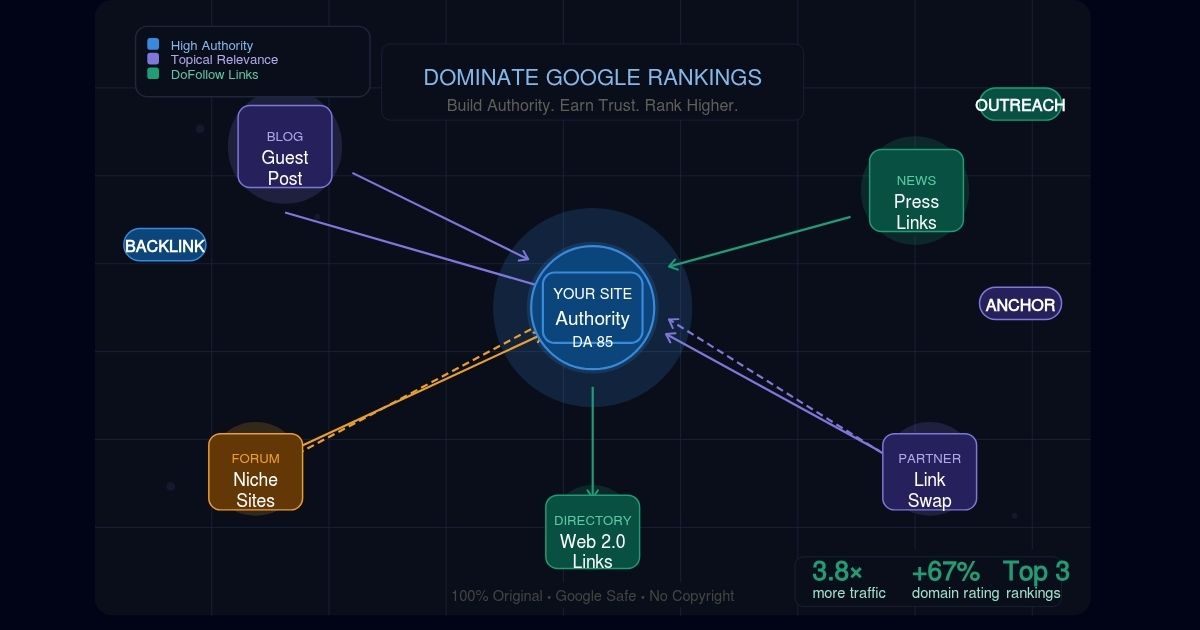
A website can look polished and publish useful information yet remain difficult to find. One reason is that search engines have few signals showing how the site fits into its wider subject area. Backlinks—links from other websites to yours—can help provide that context, but collecting as many as possible is not a sound strategy. The value of a link depends on where it appears, why it is there, and whether it helps a real reader.
For developers, small business owners, and publishers, the goal is to build a website people want to cite. That requires strong pages, clear technical foundations, and sensible outreach. Understanding the difference between a useful backlink and a questionable one can prevent wasted effort and protect a site’s reputation.
What a backlink can tell readers and search engines
A backlink is a reference from one site to another. A relevant link can guide visitors to a helpful resource, provide supporting information, or credit the source of an idea. Search engines may also treat links as signals of authority, although no single link guarantees higher rankings.
Context matters. A link from a respected site covering the same subject is usually more meaningful than one placed on an unrelated page with little editorial purpose. The surrounding text and the page’s audience help explain why the reference exists. A link that attracts interested visitors may be worthwhile even if it does not produce an immediate ranking change.
Start with a page worth referencing
Before contacting publishers, review the page you hope they will link to. It should offer something distinct: a clear explanation, useful original research, a practical checklist, or a resource that saves readers time. A short, generic page is hard to recommend, especially when many sites already cover the same points.
Make the page easy to use on mobile devices and straightforward to navigate. Give it a descriptive heading, explain specialized terms, and support claims with reliable information. Check that it loads correctly, that links work, and that the page does not hide its main content behind disruptive pop-ups. Technical details do not make a page authoritative on their own, but they can remove obstacles for visitors and editors.
Assess a link opportunity before pursuing it
Not every website offering a guest post or paid placement is a good fit. Check whether its audience overlaps with yours and whether the relevant section publishes material with genuine editorial standards. Look at the quality and recency of its articles, how naturally links appear, and whether real people seem likely to visit the pages.
A practical backlink quality checklist can help organize that review. Consider these questions before spending time or money on a placement:
- Is the topic relevant? The linking page should make sense for the subject of your website or the resource it cites.
- Does the site have an audience? Look for signs of organic traffic and active readership, rather than relying only on a headline metric.
- Is the content edited? A site that publishes clear, useful articles is more credible than one filled with thin posts and unrelated links.
- Where will the link appear? A contextual link within the main article is generally more useful to readers than a buried footer link.
- Would the link still make sense without SEO? If it helps someone find relevant information, it has a clear editorial purpose.
Earn links through useful work
Outreach is more effective when it begins with a reason for another publisher to care. You might offer a data point that adds depth to an existing article, suggest a missing resource, or share a guide that answers a question their readers frequently ask. Keep messages brief, specific, and respectful. Explain the connection between the two pages instead of sending a generic request for a backlink.
Guest articles can also introduce a subject to a new audience, provided the contribution is original and suited to the publication. Digital PR may be appropriate when a business has news, research, or expertise that journalists can use. In each case, focus on the value of the story or resource. A promised link should not be the only reason the content exists.
Presentation supports credibility
Visual design is not a substitute for sound information, but it affects how easily people understand and share it. A well-organized report, media kit, or brochure can help communicate a service clearly. If you are budgeting for printed or digital materials, compare the graphic design pricing guide from Osdire; it outlines factors that can affect design fees, including project scope. This is also useful context when estimating brochure design cost, though the final quote depends on the brief and deliverables.
Watch for shortcuts and measure outcomes
Be cautious of offers promising large numbers of links in a short period, especially when the sites are unrelated, the articles are thin, or the placement method is unclear. A burst of links is not proof of meaningful authority. Keep records of outreach and placements, and periodically review whether referring pages remain relevant and accessible.
Measure more than rankings. Track referral visits, inquiries, newsletter sign-ups, or other actions that matter to your site. These results help show whether a link reaches the right audience. If a placement brings no visitors, that does not automatically make it worthless, but it is a reason to examine its context and quality.
Conclusion
Building website authority takes patience. Create pages that deserve attention, maintain a reliable site, and evaluate potential backlinks by relevance, editorial quality, placement, and audience. When a link genuinely helps readers discover useful information, it supports both the visitor’s experience and the long-term credibility of the website.

